The Vine That Kept Its Distance: Archival Traces of Banisteriopsis caapi and Livestock Management in the Amazon Basin

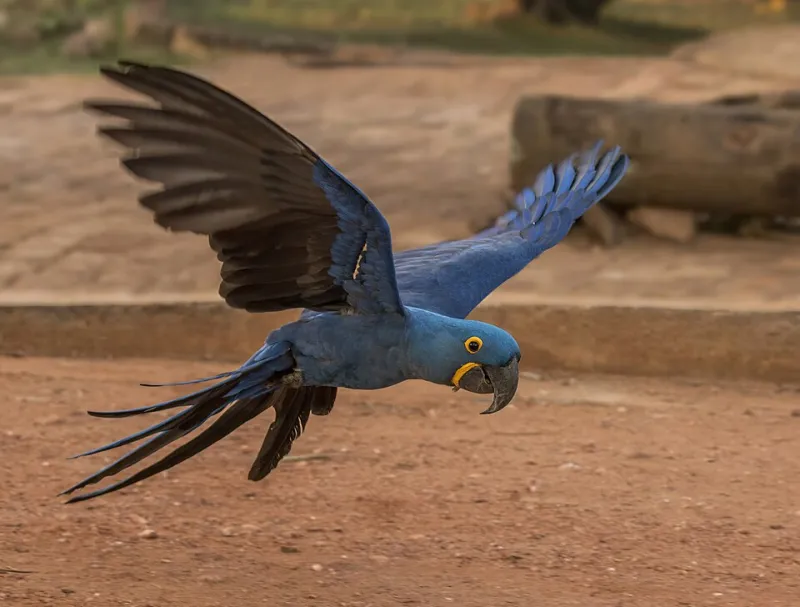
Photo: Wilfredor, CC BY-SA 4.0, via Wikimedia Commons
Long before Banisteriopsis caapi appeared on American plant-sale tables and in mail-order catalogs, it occupied a carefully managed position in the agricultural geography of the Amazon Basin. The vine that yields the beta-carboline-rich backbone of ayahuasca brews was, according to a scattered but suggestive documentary record, deliberately kept away from pastureland. For veterinary historians, that separation — maintained across centuries by peoples without germ theory, chromatography, or animal welfare statutes — represents an early and largely unexamined chapter of clinical toxicology.
What the Archives Actually Say
The documentary trail is fragmentary, and honesty about its limits is essential. Jesuit mission correspondence from the eighteenth century describes Indigenous communities on the Ucayali and Napo rivers who cultivated caapi in household gardens rather than in shared clearings where semi-domesticated animals foraged. Whether this reflected observed toxicosis or ritual boundary-keeping is rarely specified; the records frequently collapse the two.
More concrete are the pastoral complaints of the late colonial period. Administrative reports from Portuguese and Spanish authorities in the nineteenth century occasionally note cattle and horses refusing forage in areas where the vine had overgrown fence lines, and at least one account from the Brazilian Amazon describes equids exhibiting prolonged tremors and ataxia after browsing woody cuttings left near a corral. These observations were never subjected to anything resembling controlled study. But their consistency — an aversion behavior, followed by neurological signs when avoidance failed — aligns with what modern pharmacology would predict from concentrated beta-carboline ingestion in a large hindgut fermenter.
Indigenous Knowledge as Clinical Data
It is tempting, and historically lazy, to dismiss these precautions as superstition. A more defensible reading treats them as applied toxicology conducted through observation rather than instrumentation. Amazonian peoples maintained domesticated and semi-domesticated animals in proximity to one of the most pharmacologically active floras on Earth for millennia. The decision to garden caapi separately, to train children not to feed cuttings to animals, and in some traditions to dispose of spent vine material away from animal paths constitutes a body of naturalistic evidence that predates the veterinary literature by centuries.
Ethnobotanical interviews collected in the twentieth century — particularly among Tukanoan and Quechua-speaking communities — repeatedly record explicit warnings that the vine "sickens" cattle and horses. The specificity of these warnings, applied to some species and not others, suggests genuine differential toxicity rather than blanket taboo.
From the Basin to the American Nursery
Why should a US readership care about colonial-era pastoral notes from Iquitos? Because the vine has migrated. Ornamental Banisteriopsis caapi is now legally propagated and sold in the United States — the plant itself is not a controlled substance — and it appears with increasing frequency at southern Florida nurseries, Gulf Coast plant collectors' exchanges, and online specialty retailers. A mature vine can reach thirty feet in a single season in the right climate.
The veterinary exposure scenarios this creates are familiar in structure, if novel in species. Horses and cattle are curious browsers with body masses that permit substantial ingestion before clinical signs appear, and caudal beta-carboline concentrations in leaves and stems remain poorly characterized. An equine patient presenting with unexplained mydriasis, ataxia, and prolonged recovery from routine sedation in a subtropical state might reasonably have a hedge-grown caapi vine in its differential — if the attending clinician knew to ask.
Vigilance Without Alarm
Nothing in the historical record justifies panic, and no confirmed epidemic of caapi toxicosis in US livestock has been documented. The point is narrower and more useful: a plant with a centuries-long, cross-cultural reputation for incompatibility with grazing animals is now quietly entering American horticulture, and the veterinary profession's exposure surveillance systems — as this site has documented elsewhere — capture almost nothing about plant-derived psychoactive toxicoses in animals.
The Amazonian ranchers who kept the vine at fenceline distance were practicing a form of risk management we can now interrogate with receptor pharmacology and analytical chemistry. The least we owe them is to ask what they knew.