Three Decades in the Call Log: Reconstructing the Hidden History of DMT Plant Exposures in American Pets
Photo: USDAgov, Public domain, via Wikimedia Commons
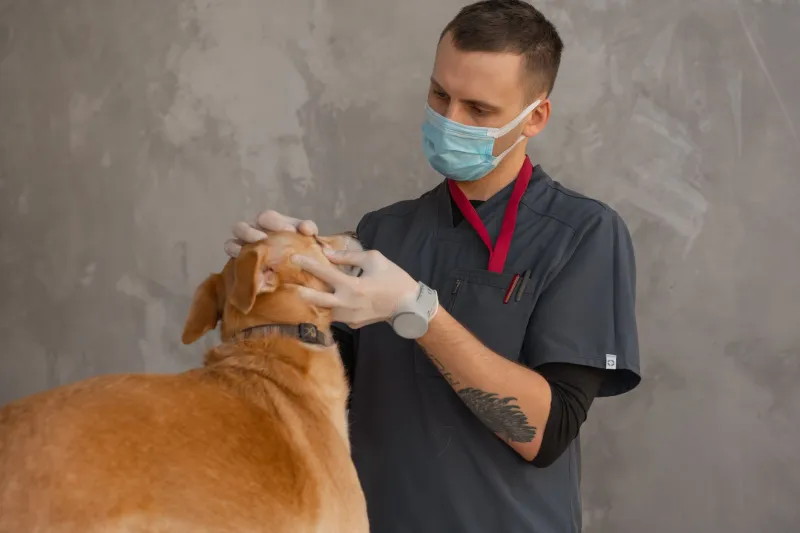
The call records begin innocuously enough. A Gulf Coast retriever that grazed an ornamental grass border in August. A backyard goat in the Texas Hill Country with a taste for reed canarygrass along an irrigation ditch. A parrot in a Florida sunroom nibbling a potted Mimosa pudica — a plant most owners assume is harmless parlor entertainment.
Scattered across thirty years of logs maintained by the ASPCA Animal Poison Control Center (APCC) and affiliated regional poison information centers, these cases form something no single clinician ever sees: a longitudinal record of how Americans' animals encounter dimethyltryptamine-containing flora. Read together, they tell a story that has less to do with illicit drug culture than with landscaping choices, forage agronomy, and the slow migration of psychoactive ornamentals into suburban yards.
What the Record Actually Contains
It bears stating plainly: DMT-containing plant exposures in animals are rare in absolute terms, and most logged cases involve plants whose alkaloid content is variable, weather-dependent, and often unconfirmed by laboratory analysis. A call record is not a toxicological confirmation. It is a signal — often a weak one — documented by professionals who frequently cannot obtain the plant sample, the analytical result, or even an accurate species identification.
That limitation is precisely why the aggregate matters. Individually, these calls are anecdotes. Aggregated across decades, they sketch exposure geography that no prospective study could feasibly replicate.
Three Patterns Worth Noting
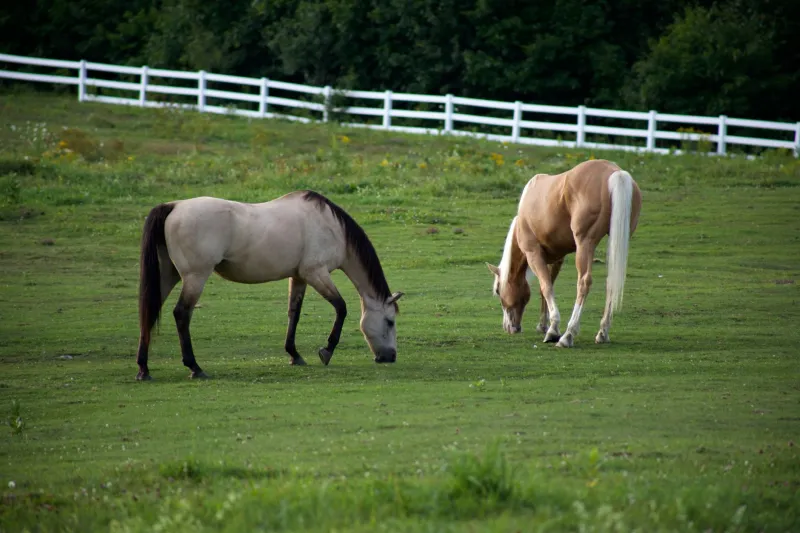
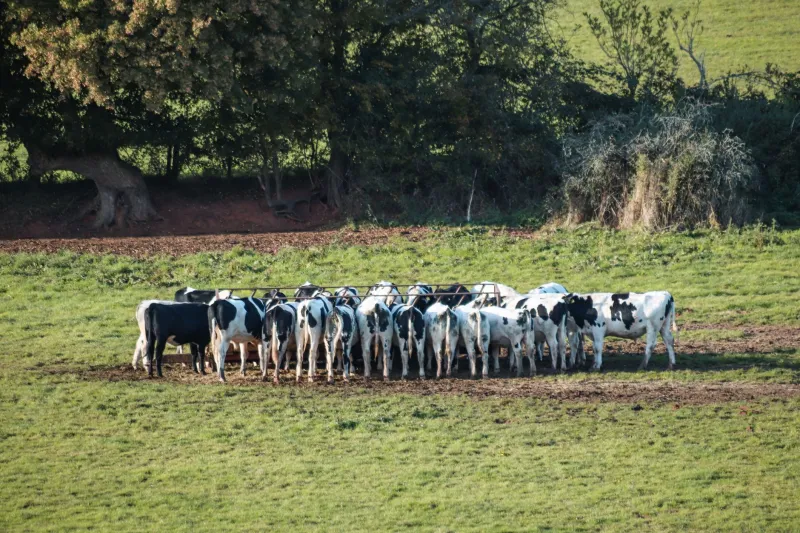
Geographic clustering follows horticulture, not drug markets. Cases involving Phalaris species — reed canarygrass in particular — cluster in the agricultural Midwest and Pacific Northwest, where the grass is planted for erosion control and forage. Exposures involving Mimosa and Acacia species track the Gulf South and the desert Southwest, where these plants are sold as ornamentals. The animals involved are overwhelmingly livestock and dogs with unrestricted outdoor access, not animals caught up in home drug production. The supply chain is the garden center and the seed catalog.
Seasonality is pronounced and species-dependent. Phalaris-related calls peak in late summer, consistent with the drought-stress conditions under which indole alkaloid concentrations in the plant can rise. Indoor and container-plant exposures — Mimosa, Psychotria, Virola-adjacent houseplants — show no seasonal signature at all, which itself is diagnostic: these are curiosity ingestions by indoor pets, year-round.
Species vulnerability is inverted relative to public assumption. The clinical literature on DMT-containing plants in animals concerns ruminants — the well-documented Phalaris staggers syndrome in sheep, a neurotoxicity linked to alkaloid content and, in some cases, to soil cobalt deficiency affecting the animals' ability to metabolize indoles. Yet the call logs skew heavily toward dogs. The explanation is probably reporting bias rather than toxicological reality: a staggering ewe is an agricultural problem handled by the producer and the extension agent. A wobbly dog after an afternoon in the ornamental border is a phone call to poison control.
The Registry Gap
These patterns surface only because someone sat down with decades of call data and looked. That is the problem. The APCC's records are proprietary, inconsistently indexed for psychoactive plant exposures, and not linked to veterinary diagnostic laboratory findings. A call about a dog chewing Phalaris arundinacea is unlikely to be cross-referenced with the regional veterinary diagnostic lab's mass spectrometry results — if a sample was ever submitted at all.
The result is a field that keeps rediscovering the same exposures, one case at a time. As entheogenic home cultivation expands — Mimosa hostilis root bark is commercially available, Psychotria viridis cuttings circulate freely, and hardy Phalaris cultivars require nothing more than a rain barrel — the volume of exposures will plausibly grow while the reporting infrastructure remains unchanged.
A dedicated veterinary toxicology registry for psychoactive plant exposures would not require new science. It would require standardized case definitions, a linkage between poison center intake data and diagnostic laboratory confirmation, and a reporting pathway that veterinarians can use without fearing that a call about a garden plant becomes a conversation about a client's grow room. Several state veterinary diagnostic laboratories already possess the analytical capability; what they lack is inbound, standardized case flow.
Reading Backward to Prepare Forward
There is a methodological argument for this kind of retrospective work beyond mere curiosity. Historical exposure data function as baseline. If cultivation trends shift the exposure landscape — more container-grown Psychotria in apartments, more outdoor Phalaris in drought-prone regions — researchers will need the pre-shift record to detect the change. That record currently exists only in fragments, scattered across call logs, necropsy reports, and the institutional memory of veterinary toxicologists.
Thirty years of phone calls amount to an accidental longitudinal study. Whether it becomes anything more than an archive depends on whether the profession builds the registry before the next wave of cultivation makes the need undeniable — a pattern familiar from nearly every corner of veterinary toxicology, where the data infrastructure tends to arrive after the exposure does.