Uncontrolled Variables in the Barn Aisle: What Hemp Country's Horses Are Teaching Equine Toxicologists
An Experiment Nobody Designed
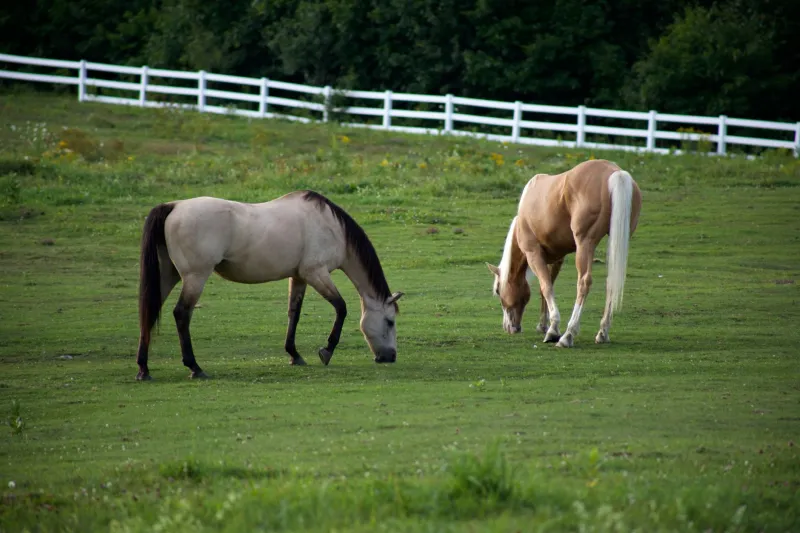
When the 2018 Farm Bill removed hemp from the federal list of controlled substances, acreage exploded across the American heartland. What followed was a boom in CBD extraction, biomass processing, and — less visibly — an unplanned exposure study involving the animals that live and work alongside the crop. Horses on boarding facilities adjacent to hemp fields, draught teams on mixed-use farms, and performance animals transported through processing corridors are ingesting, inhaling, and dermally contacting cannabinoids at doses and frequencies no researcher would ever ethically prescribe.
No consent forms were signed. No control groups were designated. And yet, according to large-animal practitioners interviewed across three hemp-producing states, the clinical observations are accumulating whether the discipline is ready for them or not.
What the Fence Line Delivers
Equine exposure pathways are more varied than most urban clinicians assume. Horses are curious, indiscriminate chewers of fencing, tarps, and feed bags. Residual biomass left in field margins after harvest can carry concentrated cannabinoid content. Spent extraction material, occasionally repurposed as bedding or compost, has been documented anecdotally as a source of oral exposure. Feed contamination — the subject of ongoing extension service scrutiny — remains the pathway with the widest potential reach, given the consolidation of the equine feed supply.
The pharmacokinetics complicate everything. Horses are hindgut fermenters with long gastrointestinal transit times, and preliminary veterinary pharmacology work suggests cannabinoid absorption in equids may differ substantially from the canine and human models that dominate the literature. Practitioners report variable presentations: lethargy, ataxia, hypersalivation, and in some cases subtler behavioral changes that owners describe only when prompted.
The Reporting Gap
Here the story converges with a familiar structural problem. The United States lacks a mandatory adverse event reporting system for animal cannabinoid exposure. State diagnostic laboratories see what gets submitted; practitioners see what walks through the door; and neither dataset talks to the other. The result is a fog of impressionistic case counts that cannot support epidemiological inference.
Several state veterinary medical associations have begun informal case-sharing networks, but participation is voluntary and inconsistent. Without systematic surveillance, the 'trial' running in hemp country generates data that cannot be aggregated, audited, or acted upon.
Lessons for Controlled Research Design
Paradoxically, the messiness of field exposure offers a template — by negative example — for how controlled equine cannabinoid research ought to proceed.
First, dose characterization is everything. Field exposures are unquantified; controlled studies must begin with validated analytical methods for forage, feed, and plasma. Second, species-specific pharmacokinetics cannot be extrapolated from monogastric models. Third, behavioral endpoints in performance and working animals demand validated instruments, not owner anecdotes. And fourth, long-term follow-up — absent almost entirely from the accidental exposure record — should be built into any prospective protocol from day one.
A handful of university equine programs have begun drafting such protocols, though Schedule considerations and institutional caution have slowed momentum. The animals in the barn, meanwhile, are not waiting for the IRB.
A Warning Written in Hoofprints
The deeper lesson of hemp country may be about pace. A agricultural and regulatory transformation of this scale occurred with essentially no parallel investment in veterinary surveillance or toxicological capacity. The same dynamic now shadows the broader entheogenic and cannabinoid landscape: compounds move into the field faster than the clinical infrastructure needed to observe their effects on animals.
Whether the equine cannabinoid story becomes a cautionary tale or a foundation for rigorous research depends on whether the veterinary profession chooses to treat the accumulating field observations as noise — or as the uncontrolled pilot data it genuinely is.