Silence at the Exam Table: When Reporting a Client's Grow Room Could Cost the Next Animal Its Life
The Case That Started the Conversation
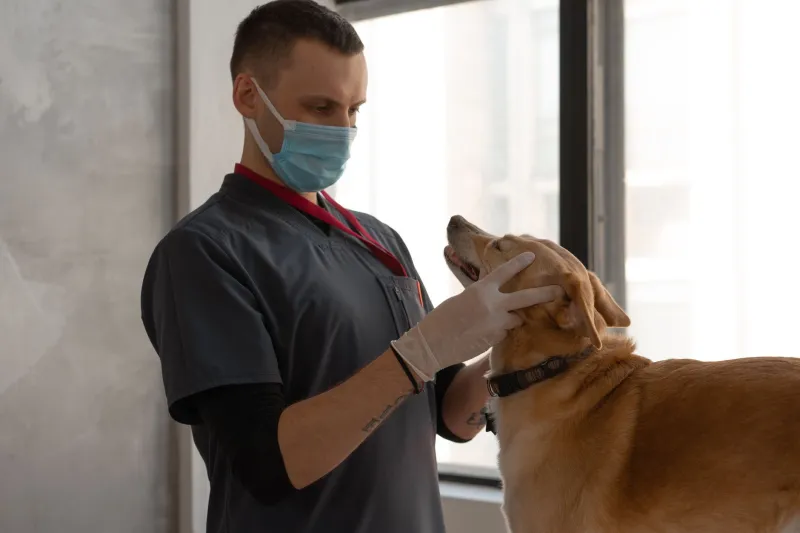
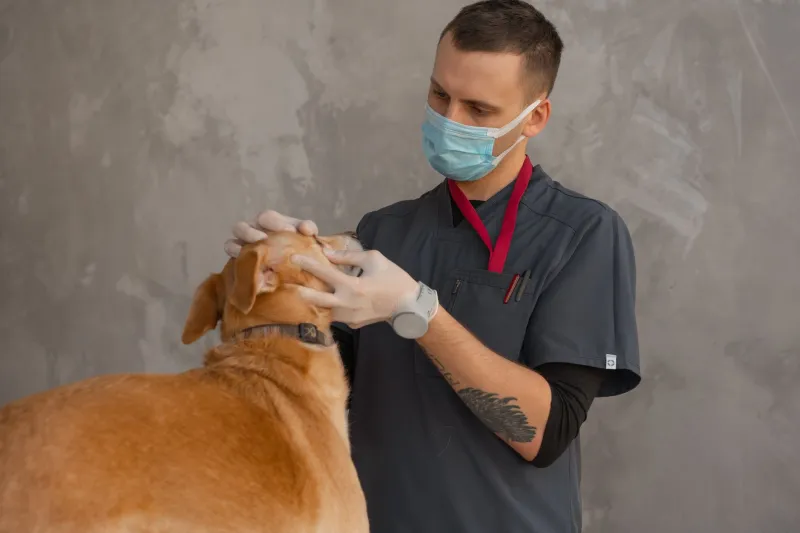
A four-year-old mixed-breed dog arrives at a rural Oregon clinic ataxic, salivating, with pupils blown wide. The differential list is short once the owner mentions — reluctantly — that the animal "maybe got into the plants in the garage." On the drive over, the treating veterinarian notices the smell: a dense, green, tomato-and-damp-earth aroma that anyone who has toured a clandestine cultivation operation recognizes. The question that follows the diagnosis is not clinical at all. It is: do I have to report this?
The answer, according to veterinary attorneys interviewed for this piece, is almost always no — and that answer may be the single most important harm-reduction tool the profession has.
A Patchwork, Not a Mandate
Unlike child abuse or elder neglect, there is no federal mandatory reporting regime for suspected controlled-substance cultivation in the United States, and no state has enacted one that specifically covers veterinary observations of entheogenic plant grows. A handful of states criminalize knowing facilitation of drug trafficking, but the bar is high: it requires intent to further the enterprise, not mere observation.
"Veterinarians are not deputized drug enforcement agents," says one attorney who advises state veterinary medical boards and asked to speak on background given ongoing litigation in her state. "The client-veterinarian relationship generates a duty of confidentiality that is enforceable through malpractice exposure and board discipline. Breaching it to report a garden — absent a subpoena — is legally riskier than staying quiet."
The calculus shifts only at the margins. Several states require reporting of imminent threats to identifiable persons or animals, such as suspected deliberate poisoning. And in jurisdictions that have decriminalized or regulated entheogenic plants — Oregon's Measure 109 framework for psilocybin services being the most visible example — the legal exposure for a home grower has narrowed further, sometimes to nothing.
The Trust Calculus
The stronger argument for discretion is empirical, not legal. Veterinary toxicologists have long observed that owners understate exposures when they fear consequences. The ASPCA Animal Poison Control Center's own guidance to callers emphasizes that it does not report to law enforcement, precisely because fear of prosecution suppresses the calls that save animals.
The same logic applies at the clinic door. An owner who believes a syringe of plant material or a photograph of their grow tent will end up in a police report will simply not come — or will fabricate a history, degrading the diagnostic picture. "Every time a client lies to me about what the animal ate, I'm practicing medicine with one hand tied," a Colorado practitioner told us. "The grow room isn't my patient. The dog is."
What a Defensible Framework Might Look Like
If the profession wants consistency rather than improvisation, several principles emerge from the interviews and from analogous frameworks in human medicine's confidentiality jurisprudence:
- A bright-line confidentiality default. Observations of lawful-adjacent or decriminalized cultivation should never be reported absent a legal compulsion.
- A narrow exception for ongoing, serious harm — active animal cruelty, deliberate dosing of a non-consenting being, or evidence of commercial trafficking that endangers the patient directly.
- Documentation discipline. Clinicians should record clinical findings, not suspicions. "Mydriasis, tachycardia, history of plant access" is a medical record. "Owner appears to be growing illegal substances" is a liability.
- State veterinary medical association guidance. Few state VMAs have published anything on this. The silence leaves clinicians to improvise under stress.
The Research Gap
Notably, no peer-reviewed survey has quantified how often US veterinarians encounter suspected home cultivation of entheogenic plants, or whether reporting fears measurably delay care. That gap is itself an ethics problem: the profession is navigating a live issue with anecdote instead of data. A modest national survey — the kind of instrument veterinary colleges deploy routinely for opioid stewardship questions — would do more to clarify practice norms than any single opinion column, including this one.
The Verdict, Provisionally
The veterinarian in our opening case kept the dog, treated the toxidrome, and said nothing about the garage. On the evidence assembled here, that was not a lapse of civic duty. It was the ethically defensible choice — the one that kept the door open for the next call, the next owner, and the next animal that needs someone at the exam table who is safe to tell the truth to.