Prescription from the Grow Kit: What Happens When Owners Self-Dose Their Dogs with Psilocybin
The Confession in Exam Room Three
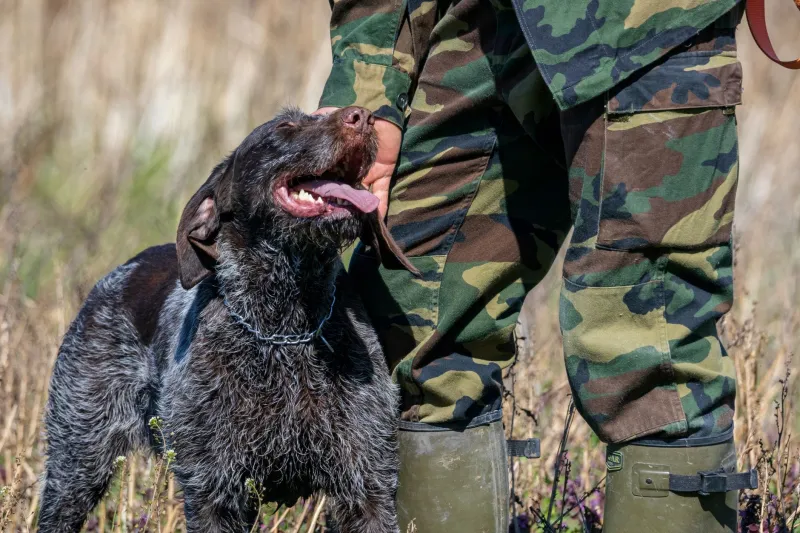
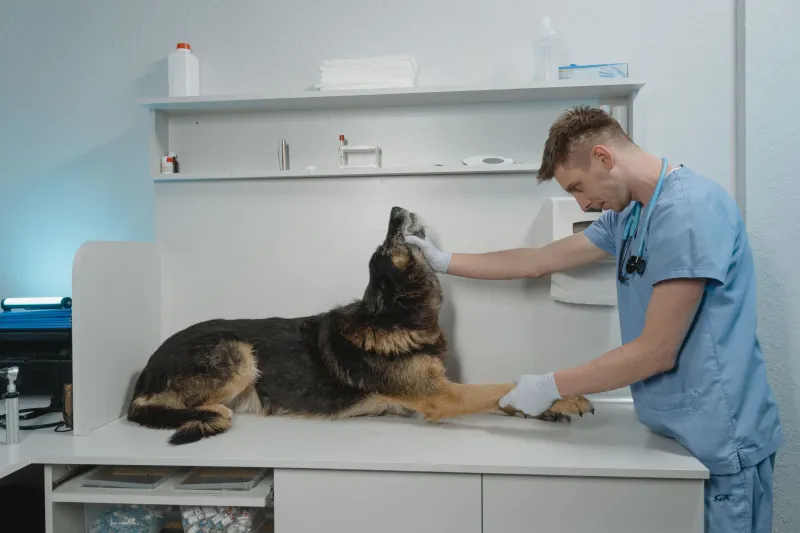
It usually arrives obliquely. A client mentions a "friend" who gave their dog a small piece of a dried mushroom for thunderstorm anxiety. Or an owner, emboldened by a podcast about microdosing, asks directly whether psilocybin might help a rescue dog with separation distress. The veterinarian behind the table now holds a question that no board of veterinary medicine in the United States has adequately prepared them to answer.
The scenario is no longer hypothetical. As psilocybin decriminalization spreads through municipalities in Oregon, Colorado, and California, and as microdosing culture migrates from human wellness circles into pet-focused online communities, companion animal practitioners are increasingly likely to encounter patients who have been dosed — deliberately or accidentally — with Schedule I tryptamines.
Confidentiality Has Limits, and They Vary by State
Veterinary confidentiality obligations are governed primarily by state practice acts, and they are thinner than their human medicine counterparts. In most jurisdictions, nothing prevents a veterinarian from discussing a case with colleagues, and a handful of states impose limited mandatory reporting duties — most commonly for suspected animal cruelty or neglect.
Here is the uncomfortable question: is administering a controlled, unvalidated psychedelic to a dog an act of cruelty, an act of care, or something in between? A well-intentioned owner giving a sub-perceptual dose to an anxious animal occupies genuinely contested moral territory. The AVMA's guidance on the veterinarian-client-patient relationship offers no specific language for this situation. State boards, queried informally by practitioners in online forums, have offered inconsistent answers.
The result is a patchwork in which the same behavior might trigger a cruelty referral in one state and a shrug in another. That inconsistency is itself an ethical failure — one that falls hardest on the animals, whose welfare should not depend on their owner's ZIP code.
No Antidote, No Protocol, No Data
Clinical toxicology resources offer little comfort. There is no validated treatment protocol for canine psilocybin exposure, no published pharmacokinetic data in dogs, and no established dose-response curve. What exists is extrapolation: case reports of accidental ingestion suggest that many dogs recover with supportive care and, in some cases, symptomatic treatment with benzodiazepines. But deliberate microdosing — repeated low-level exposure — sits entirely outside the literature.
Veterinarians asked to advise in these cases are therefore practicing without evidence, and they know it. The honest answer to "will this hurt my dog?" is "we do not know," and that answer is a poor foundation for either reassurance or intervention.
Toward a Harm-Reduction Framework
Refusing to engage does not make the behavior disappear; it drives it underground. The more defensible path is a structured harm-reduction approach, adapted from human psychedelic medicine and from veterinary toxicology's long experience with cannabis:
- Non-punitive disclosure. Practices should adopt written policies making clear that owners who disclose voluntary dosing will not face automatic cruelty referrals absent evidence of malicious harm. Trust is the precondition for data.
- Standardized intake questions. Psilocybin exposure should join cannabis and xylitol on the routine toxicology history form.
- Case reporting. Veterinary toxicology networks, including state diagnostic labs and the ASPCA Animal Poison Control Center, should be actively encouraged to log suspected tryptamine exposures so that a case series can accumulate.
- Client education scripts. Practitioners need calibrated language: acknowledging uncertainty, discouraging dosing without evidence, and offering evidence-based anxiolytic alternatives.
An Obligation to Lead
Some will argue that veterinarians should simply say no — that engaging with psychedelic use in animals legitimizes it. But the profession has seen this playbook before. With cannabis, initial refusal to engage left practitioners flat-footed as legalization outpaced clinical knowledge. The same trajectory is visible with psilocybin, only faster.
The ethical gray zone is real, but gray zones are where veterinary medicine has historically done its best work. State boards should issue guidance. Colleges of veterinary medicine should teach the pharmacology. And individual practitioners should begin documenting what they see. The dogs, who cannot consent and cannot report, deserve nothing less.